Source Modern Veneer Booth Seating for Restaurants
Explore 30 options for modern veneer booth seating designed for commercial dining spaces. Compare specifications including wood materials, customization options, and loading ports from Guangdong suppliers to find the right fit for your project; compare the available evidence and request quotations based on your requirements.
Key considerations
Products List


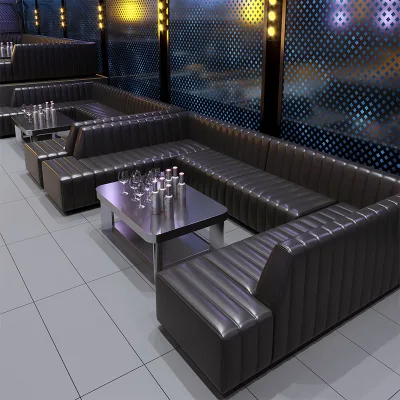


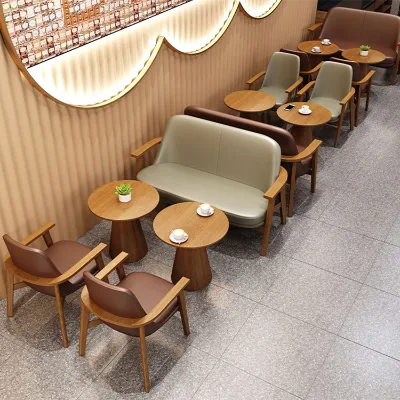
Comprehensive Sourcing Guide
Modern Veneer Booth Seating Sourcing Guide
Sourcing modern veneer booth seating requires a strategic approach that balances aesthetic appeal with commercial durability. Buyers must recognize that "modern" styles often feature clean lines and minimalist designs, which can be achieved through various material combinations. The observed product landscape includes items labeled as indoor commercial benches and restaurant furniture sets, indicating a broad market segment. Procurement teams should focus on verifying whether the veneer is applied to solid wood cores or engineered substrates, as this significantly impacts longevity and weight. Understanding the specific use case, such as high-traffic restaurants or quiet hotel lounges, helps in selecting the appropriate structural integrity and upholstery pairing.
The supply chain for these items is heavily concentrated in specific manufacturing hubs, with Guangdong, China, emerging as a primary origin point. Listings frequently indicate loading ports in Shenzhen or Guangzhou, suggesting efficient logistics routes for international buyers. It is crucial to distinguish between standalone booth units and complete furniture sets that may include tables and chairs. The observed data shows a mix of fixed and unfixed configurations, which influences installation requirements and spatial planning. Buyers should prioritize suppliers who offer customization services, as standard dimensions rarely fit unique architectural layouts without modification.
Product Scope and Observed Listing Signals
The current market offers a diverse range of products that fall under the broad category of commercial seating, including indoor benches and complete dining sets. Observed listings highlight items with model numbers such as FH-BTW240501 and RF27, alongside generic identifiers like restaurant-67. These variations suggest that manufacturers produce both specialized booth components and broader furniture collections. The presence of "KD Package" (Knock-Down) packing indicates a preference for efficient shipping and on-site assembly, which is critical for large-scale commercial projects. Buyers should carefully review packing specifications to ensure that components are protected against damage during transit, especially for delicate veneer surfaces.
Color and material options are extensive, with suppliers offering over one hundred color choices and various wood tones including light, dark, and walnut finishes. This flexibility allows for precise brand alignment and interior design cohesion. Materials range from synthetic leather to metal frames and wood constructions, providing different aesthetic and functional profiles. The observed attributes include "Simple" and "Modern" styles, catering to contemporary design trends. Procurement teams must verify if the veneer is a thin layer over a composite core or a thicker solid wood application, as this affects repairability and overall feel. The availability of OEM and ODM services further supports custom branding needs.
Technical Specifications to Verify
Verifying technical specifications is essential to ensure that the booth seating meets structural and dimensional requirements. Buyers should confirm the exact dimensions of the seating units, as observed listings mention "Custom size" standards and combination sizes. The frame construction, often made of metal or wood, must support the intended load capacity, especially in high-occupancy environments. It is important to distinguish between fixed and unfixed installations, as this impacts floor anchoring and stability. The observed data indicates a variety of frame materials, including metal and wood, which offer different aesthetic and durability profiles.
Upholstery and surface materials require close scrutiny to ensure they meet hygiene and wear standards. Synthetic leather and wood veneers are common, but the quality of the adhesive and finish can vary significantly between suppliers. Buyers should request samples to test for scratch resistance, colorfastness, and ease of cleaning. The observed product models suggest a range of configurations, from simple benches to complex booth setups. It is crucial to verify the compatibility of the booth with accompanying tables and chairs, ensuring a cohesive look and functional layout. Customization options should be clearly defined in the technical drawings to avoid misinterpretation during production.
Compliance and Safety Documentation
Compliance with safety and environmental standards is non-negotiable for commercial furniture procurement. Observed listings frequently cite CE and RoHS certifications, indicating adherence to European health, safety, and environmental protection standards. Buyers must verify that these certifications are current and applicable to the specific product models being ordered. The presence of ISO certification suggests a commitment to quality management systems, which can be a reliable indicator of manufacturing consistency. However, buyers should not assume that all listed products hold these certifications without direct confirmation from the supplier.
Fire safety regulations are particularly critical for hospitality and public seating applications. Buyers should inquire about flame retardancy treatments and compliance with local fire codes, such as those in the US or EU. The observed materials, including synthetic leather and wood, may require specific treatments to meet these standards. Documentation should include test reports from accredited laboratories, detailing burn rates and smoke density. Additionally, buyers should check for any chemical safety certifications, ensuring that finishes and adhesives do not emit harmful volatile organic compounds. This due diligence protects both the business and its patrons from potential health hazards.
Cost Drivers and Commercial Terms
Understanding the cost structure of modern veneer booth seating helps in budgeting and negotiation. The observed price range of $37 to $1,024.06 USD reflects significant variation based on materials, complexity, and customization levels. Basic metal-framed benches may fall at the lower end, while fully upholstered, custom-sized booths with premium veneers will command higher prices. The minimum order quantity (MOQ) ranges from 1 to 50 units, offering flexibility for small businesses and large chains alike. Buyers should clarify whether the price includes shipping, taxes, and duties, as these can significantly impact the total landed cost.
Payment terms and production lead times are key commercial factors to negotiate. Observed terms include T/T, Bank Transfer, and PayPal, with production times typically ranging from 25 to 30 days. For custom orders, lead times may extend further, requiring careful project planning. Buyers should establish clear milestones for design approval, material sourcing, and final inspection. The availability of CAD drawing services and distribution support can add value, reducing internal engineering burdens. It is advisable to secure a detailed quotation that breaks down costs for materials, labor, and packaging to identify potential areas for cost optimization.
Supplier Qualification and Quality Control
Supplier qualification is the foundation of a successful procurement process. Buyers should verify the supplier's manufacturing capabilities, including factory size, equipment, and workforce expertise. The observed origin in Guangdong, China, suggests access to a mature supply chain for wood, metal, and upholstery materials. Requesting references from previous commercial projects can provide insight into the supplier's reliability and after-sales support. It is crucial to assess their ability to handle OEM and ODM requests, ensuring they can adapt to specific design requirements. A robust quality control system should be in place, with clear protocols for material inspection and final product checks.
Quality control measures should include pre-production sample approvals and in-line inspections during manufacturing. Buyers should define acceptable tolerances for dimensions, finish quality, and structural integrity. The observed packing methods, such as woven cartons and wooden frames, indicate an awareness of shipping risks, but buyers should still specify packaging standards. Regular communication with the supplier during the production phase can help identify and resolve issues early. Establishing a clear process for handling defects or damages upon delivery is essential. A proactive approach to quality assurance minimizes the risk of receiving substandard products and ensures consistency across large orders.
Long-Term Procurement Checks
Long-term procurement success depends on ongoing performance monitoring and relationship management. Buyers should track key performance indicators such as on-time delivery rates, defect rates, and responsiveness to issues. The observed service offerings, including project support and distribution, suggest that suppliers can be partners in long-term growth. Regular audits of the supplier's quality management systems can ensure continued compliance with standards. It is important to review contract terms periodically, adjusting for changes in material costs or market conditions. Building a strong relationship with the supplier can lead to better pricing and priority treatment during peak seasons.
Sustainability and ethical sourcing are increasingly important considerations for modern businesses. Buyers should inquire about the source of the wood veneer and the environmental impact of the manufacturing process. Certifications such as FSC for wood sourcing can provide assurance of responsible forestry practices. Evaluating the supplier's commitment to reducing waste and energy consumption in production can align with corporate social responsibility goals. Additionally, buyers should plan for the end-of-life disposal or recycling of the furniture. Establishing a feedback loop with end-users can provide valuable insights for future product iterations and improvements.
FAQs
What materials are used for modern veneer booth seating?
Modern veneer booth seating often utilizes wood or metal frames combined with synthetic leather upholstery. Some models feature light, dark, or walnut wood colors. These materials ensure durability for commercial environments like restaurants and hotels while offering a modern aesthetic.
Can I customize the color options for these booths?
Yes, customization is available with over 100 color options including yellow, black, brown, white, and red. Buyers can select specific wood colors or request custom finishes. This flexibility allows businesses to match their interior design themes precisely for indoor commercial use.
Which certifications do these restaurant furniture products hold?
These products typically hold CE and RoHS certifications to ensure safety and environmental compliance. Some listings also mention ISO standards for quality management. These certifications verify that the furniture meets international requirements for commercial use in hotels, villas, and clubs.
How long is the production time for custom orders?
The standard production time for custom orders ranges from 25 to 30 days. This timeline applies to customized sizes and specific design requests. Buyers should plan their procurement schedule accordingly to ensure timely delivery for their restaurant or hotel projects.
What is the minimum order quantity for these booths?
The minimum order quantity varies, with some listings starting at one unit while others require ten meters. Specific models may have different MOQs depending on the configuration. Buyers should verify the exact requirement for their selected product model before placing an order.
Where are these modern booth seating products manufactured?
These products are manufactured in Guangdong, China, with loading ports in Shenzhen and Guangzhou. The origin location ensures access to established manufacturing hubs. Buyers can expect efficient logistics from these major ports for international shipping to global markets.
What packaging methods are used for shipping these items?
Items are packed in KD packages, woven cartons, or wooden frames and boxes to ensure safe transit. The packaging method depends on the specific product model and size. This robust packing protects the furniture during shipping to ensure it arrives in new condition for immediate installation.